
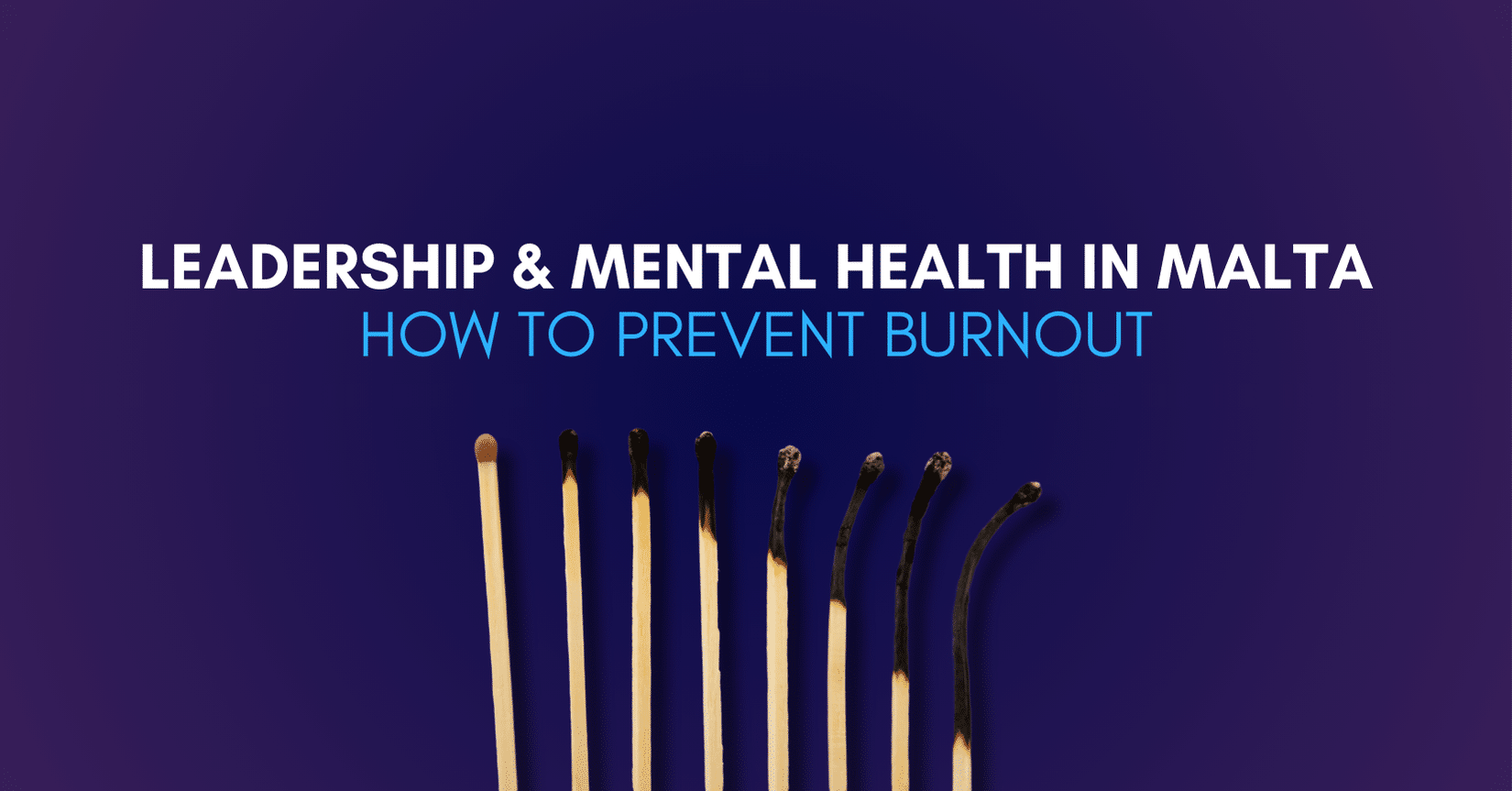
Leadership comes with high expectations, immense responsibility, and relentless pressure. Business leaders and C-suite executives are often required to make difficult decisions, manage teams, and drive company success while maintaining a vision for the future. However, the weight of these responsibilities can take a serious toll on mental health, leading to stress, anxiety, and burnout. In Malta, recent studies have shed light on the prevalence of these issues among the workforce, underscoring the importance of addressing mental well-being at all organizational levels.
Despite their strong leadership skills, executives are not immune to mental exhaustion. In fact, studies show that burnout rates among corporate leaders have risen significantly in recent years. The constant pressure to perform, long working hours, and the challenge of balancing professional and personal life contribute to emotional fatigue. To sustain long-term success, leaders must prioritize their well-being and implement strategies to prevent burnout.
In this article, we will explore the causes of burnout in leadership, its impact, and practical ways to maintain mental wellness while leading effectively.

Burnout feels like physical, emotional, and mental exhaustion that doesn’t go away with rest. It’s more than just stress—it’s a deep sense of fatigue, detachment, and frustration that can affect your work, relationships, and overall well-being.
According to WHO, the signs of a burnout often present themselves as:
Burnout often makes people feel trapped, helpless, and disconnected, as if nothing they do makes a difference. If left untreated, it can lead to serious health issues like anxiety, depression, or chronic stress-related illnesses.
A study conducted by Kenneth Farrugia and John Chan revealed that workplace burnout is prevalent in Malta, affecting 38% of workers, with the most common dimension experienced being exhaustion. Workers aged 20-29 years face the highest risk of burnout (62%), with women slightly more affected than men by 4%.
Furthermore, a report by MISCO highlighted that 89% of employees in Malta find their jobs stressful either at times or most of the time. The primary stressors cited include heavy workloads, tight deadlines, and a lack of support from employers.
Burnout among leaders not only affects their personal well-being but also has significant repercussions on organisational performance such as:
To mitigate burnout and promote mental well-being among leaders, several strategies can be implemented so that leaders can maintain their mental health and continue to drive organisational success effectively:
Encourage leaders to set defined work-life boundaries, delegate tasks effectively, and prioritise personal time.
Incorporate mindfulness practices such as meditation, deep breathing exercises, and regular breaks to help leaders manage stress.

Facilitate peer support groups, mentorship programs, and access to professional counseling to provide leaders with necessary support.
Cultivate an organisational culture that values mental health by promoting flexible work arrangements and encouraging the use of vacation time.
Recognise the signs of a burnout and encourage leaders to seek assistance from mental health professionals when necessary, emphasising that seeking help is a proactive step toward resilience.
Malta has recognised the importance of mental health in the workplace and has implemented several initiatives:
Employee Support Programme (ESP): Offered by the Public Service, the ESP provides psychological and emotional support services to public employees, reflecting the government’s commitment to employee well-being.
Contact: +356 2200 1210 | esp.opm@gov.mt
Richmond Foundation’s Support at Work: The Richmond Foundation offers online emotional support sessions aimed at individuals or teams, providing a space to discuss challenges and explore coping strategies
Contact: +356 21224580/21482336/21480045 | info@richmond.org.mt
Let’s continue the conversation and work towards a healthier work environment for all.
Tell Centrecom what your organisation needs and discover how a tailored outsourcing solution can support service quality, customer care and operational efficiency.
Lorem ipsum dolor sit amet, consectetur adipiscing elit. Ut elit tellus, luctus nec ullamcorper mattis, pulvinar dapibus leo.