Centrecom

Build Their Future, Keep Their Talent

Build Their Future, Keep Their Talent

When people can see a future for themselves, they are far more likely to stay committed, motivated, and engaged.

The Key to Retention

Employees today aren’t just looking for a job — they’re looking for progress. One of the strongest drivers of retention is the ability to grow within the organisation. When people can see a future for themselves, they are far more likely to stay committed, motivated, and engaged.
 

Why Career Paths Matter

Clear career paths give employees a sense of direction. They know where they can grow, which skills they should develop, and how their role can evolve. Without this clarity, people often feel stuck or overlooked. When they understand their next step, they feel valued and motivated to continue building their career within the organisation.


Internal Mobility: A Smart Retention Strategy

Internal mobility allows employees to explore new roles or departments without having to leave the company. This strengthens loyalty because employees can diversify their skills, take on new challenges and continue advancing professionally. At the same time, organisations benefit by developing existing talent rather than relying on external hires, saving time and resources while maintaining productivity.

What Makes Career Pathing Effective

Career pathing works best when employees have a clear understanding of how progression works. They need access to learning and development opportunities that help them upskill and prepare for new responsibilities. Regular career conversations between employees and managers also play an important role, helping individuals identify their strengths, set goals and explore potential next steps. When companies openly share internal job opportunities, employees feel encouraged to grow rather than look elsewhere.


The Impact on Retention

When employees feel they have room to grow, they tend to stay longer. Career development increases engagement, strengthens loyalty and contributes to better performance. Ultimately, growth is not just a nice-to-have — it is a core reason why people choose to stay within an organisation.


Conclusion

Employees remain loyal to organisations that invest in their future. By offering clear career paths and encouraging internal mobility, companies build a workforce that is motivated, confident and committed for the long term.

Watch our latest video to get a feel of our team spirit and what it’s like to be part of the Centrecom family. If you’re ready to take the next step in your career in customer care, administration, or support services, we’d love to hear from you!

Tell Centrecom what your organisation needs and discover how a tailored outsourcing solution can support service quality, customer care and operational efficiency.

Discover Life at Centrecom – We Support, We Have Fun, We Work Together

Discover Life at Centrecom – We Support, We Have Fun, We Work Together

When people can see a future for themselves, they are far more likely to stay committed, motivated, and engaged.

Join Our Team at Centrecom 💙

Looking for an exciting new career opportunity in Malta? At Centrecom, we’re always on the lookout for passionate individuals to join our growing team.

Here, you’ll find more than just a job — you’ll discover a workplace where:

We Support each other every step of the way

We Have Fun while building lasting connections

We Work Together to achieve great results

Watch our latest video to get a feel of our team spirit and what it’s like to be part of the Centrecom family. If you’re ready to take the next step in your career in customer care, administration, or support services, we’d love to hear from you!

Explore our career opportunities in Malta and apply today to start your journey with us.

Tell Centrecom what your organisation needs and discover how a tailored outsourcing solution can support service quality, customer care and operational efficiency.

Leading Without Burning Out: Mental Health Strategies for Leaders in Malta

Leading Without Burning Out: Mental Health Strategies for Leaders in Malta

When people can see a future for themselves, they are far more likely to stay committed, motivated, and engaged.

Leadership comes with high expectations, immense responsibility, and relentless pressure. Business leaders and C-suite executives are often required to make difficult decisions, manage teams, and drive company success while maintaining a vision for the future. However, the weight of these responsibilities can take a serious toll on mental health, leading to stress, anxiety, and burnout. In Malta, recent studies have shed light on the prevalence of these issues among the workforce, underscoring the importance of addressing mental well-being at all organizational levels.

Despite their strong leadership skills, executives are not immune to mental exhaustion. In fact, studies show that burnout rates among corporate leaders have risen significantly in recent years. The constant pressure to perform, long working hours, and the challenge of balancing professional and personal life contribute to emotional fatigue. To sustain long-term success, leaders must prioritize their well-being and implement strategies to prevent burnout.

In this article, we will explore the causes of burnout in leadership, its impact, and practical ways to maintain mental wellness while leading effectively.

Leader in work clothes looking stressed covered in post-it notes

What does a burnout feel like?

Burnout feels like physical, emotional, and mental exhaustion that doesn’t go away with rest. It’s more than just stress—it’s a deep sense of fatigue, detachment, and frustration that can affect your work, relationships, and overall well-being.

According to WHO, the signs of a burnout often present themselves as:

  • Feeling drained, even after sleep or rest.
  • Struggling to find enthusiasm for work or daily tasks.
  • Feeling emotionally distant from colleagues or responsibilities.
  • Becoming easily frustrated or overwhelmed.
  • Difficulty concentrating, making decisions, or being productive.
  • Headaches, muscle tension, stomach issues, or frequent illness.

Burnout often makes people feel trapped, helpless, and disconnected, as if nothing they do makes a difference. If left untreated, it can lead to serious health issues like anxiety, depression, or chronic stress-related illnesses.


Prevalence of Burnout and Work-Related Stress in Malta

A study conducted by Kenneth Farrugia and John Chan revealed that workplace burnout is prevalent in Malta, affecting 38% of workers, with the most common dimension experienced being exhaustion. Workers aged 20-29 years face the highest risk of burnout (62%), with women slightly more affected than men by 4%.

Furthermore, a report by MISCO highlighted that 89% of employees in Malta find their jobs stressful either at times or most of the time. The primary stressors cited include heavy workloads, tight deadlines, and a lack of support from employers.

Impact on Leadership and Organisations 

Burnout among leaders not only affects their personal well-being but also has significant repercussions on organisational performance such as:

  • Decision-making quality: Exhausted leaders may struggle with strategic thinking and effective decision-making.
  • Employee engagement: A leader experiencing burnout can inadvertently foster a negative work environment, leading to disengaged employees.
  • Turnover rates: Both leaders and employees may seek to leave the organisation due to diminished motivation and job satisfaction.
  • Health risks: Chronic stress can lead to severe health issues, including heart disease, anxiety disorders, and depression.

Strategies for Preventing Burnout in Leadership

To mitigate burnout and promote mental well-being among leaders, several strategies can be implemented so that leaders can maintain their mental health and continue to drive organisational success effectively:

1. Establish clear boundaries

Encourage leaders to set defined work-life boundaries, delegate tasks effectively, and prioritise personal time.

2. Promote mindfulness and stress management:

Incorporate mindfulness practices such as meditation, deep breathing exercises, and regular breaks to help leaders manage stress.

3. Develop support networks

Facilitate peer support groups, mentorship programs, and access to professional counseling to provide leaders with necessary support.

4. Foster a healthy workplace culture

Cultivate an organisational culture that values mental health by promoting flexible work arrangements and encouraging the use of vacation time.

5. Recognise when to seek professional help

Recognise the signs of a burnout and encourage leaders to seek assistance from mental health professionals when necessary, emphasising that seeking help is a proactive step toward resilience.


Tell Centrecom what your organisation needs and discover how a tailored outsourcing solution can support service quality, customer care and operational efficiency.

Why a Contact Centre Job Could Be Your Perfect Career Move

Why a Contact Centre Job Could Be Your Perfect Career Move

A contact centre job like Centrecom’s offers growth, valuable skills, flexibility, and fulfillment—making it the perfect move for a rewarding career.

With 76% of millennials saying that professional development is essential for a strong company culture, finding a role that offers stability and growth opportunities can be challenging.

For many, a contact centre job offers exactly that and more. However, working in a contact centre has often been overlooked, but in reality, these roles provide a wealth of benefits, from career advancement opportunities to skill development and a dynamic work environment.

Here’s why a contact centre job could be the perfect career move for you.

1. Growth Opportunities and Career Advancement.

One of the standout benefits of starting a career in a contact centre is the opportunity for advancement. Many contact centres promote from within, meaning that agents who excel can quickly progress to roles with more responsibility and better pay. Starting as an agent often leads to roles in team leadership, quality assurance, training, or even management.

Contact centres are known for their structured career paths, offering regular training and development opportunities to help employees build skills and advance. At Centrecom we even provide certifications, coaching, or formalised career programs that guide employees through the steps necessary for promotion.

Why does this matter?

A contact centre job doesn’t have to be a “stepping-stone” job. With dedication and skill development, you can build a long-term, rewarding career within the organisation.

Did you know?

Two members of our Senior Management team started out as part-time contact centre agents during their scholastic life. If that seems out of reach, 100% of our team leaders here at Centrecom started as contact centre agents as well.

2. Developing Highly Transferable Skills

Working in a contact centre like ours, equips you with a range of skills that are valuable across virtually every industry. Communication, problem-solving, empathy, time management, and technical skills are just a few of the competencies agents develop on the job.

In a contact centre, every customer interaction requires active listening, quick thinking, and a solutions-oriented mindset. Over time, agents become experts in handling difficult conversations, managing customer expectations, and resolving issues under pressure.

Why does this matter?

These transferable skills open doors for future career opportunities. Whether you want to stay in customer service, move into sales, or shift into a different field, the skills you build as a contact centre agent will support your success.

Looking for a new career?


3. A Sense of Fulfillment and Making a Difference

Customer-centricity is in everything we do, meaning agents have the chance to help people every day. Whether a customer is calling with a technical issue, a billing question, or looking for support, agents can make a real impact on that customer’s experience. Solving problems and easing customers’ concerns can be incredibly fulfilling, and agents often leave work knowing they made a difference in someone’s day.

For many agents, the satisfaction that comes from helping others is one of the most rewarding aspects of the job. Positive feedback from customers, gratitude from people you’ve helped, and the knowledge that you play a key role in customer satisfaction can provide a strong sense of purpose.

Why does this matter?

The opportunity to make a difference isn’t something every job offers, but in this setting and work environment, it’s part of the daily experience.

4. A Dynamic, Team-Oriented Work Environment

Contact centres in general are lively, collaborative places to work. Agents often operate as part of a larger team, supporting one another and sharing tips and strategies. Many centres have a strong culture of teamwork, where employees are encouraged to collaborate, ask for help, and celebrate successes together. This camaraderie creates a supportive work environment that can make each day more enjoyable.

Beyond teamwork, contact centres are dynamic environments where each day presents new challenges. The fast-paced nature of the work means you’re constantly learning and adapting, which keeps things interesting and prevents monotony.

Why does this matter?

The team-oriented atmosphere helps foster a sense of belonging, and the dynamic nature of the work keeps it engaging and exciting.

5. Flexible Scheduling and Remote Work Options

We understand the importance of work-life balance and provide flexible scheduling options to accommodate employees’ diverse needs. This flexibility can be especially valuable for those with family obligations, students, or individuals seeking a better work-life balance. Additionally, with advancements in technology, many contact centres now offer remote or hybrid work options.

Remote work has become increasingly common, allowing employees to work from home and eliminate commute times. The option to work remotely has made contact centre roles even more attractive, as employees can enjoy greater flexibility in managing their personal and professional lives.

Why does this matter?

Flexibility in scheduling and remote work options allow contact center agents to find a work setup that fits their lifestyle, making the job more sustainable and enjoyable.

Vacancy

6. Job Security

Unlike some fields, the demand for contact center agents remains steady, with many companies actively seeking skilled customer service professionals to support their customers.

This job security, combined with the potential for earnings growth through bonuses or promotion, makes our work financially rewarding as well. The added benefits of health insurance, wellness benefits, and many more benefits further enhance the financial appeal of contact centre roles.

Why does this matter?

A contact center job provides financial stability with great benefits, along with strong job security in a growing field.

Whether you’re just starting in the workforce or considering a career change, a contact centre role could be the perfect career move. With the potential to advance, the chance to make a difference, and a vibrant team environment, working in a contact center offers unique rewards that go beyond a paycheck.


Ready to take the next step? Explore our open positions and see how a career with us can align with your goals and aspirations. We’re excited to welcome motivated individuals who are ready to make a difference!

With 76% of millennials saying that professional development is essential for a strong company culture, finding a role that offers stability and growth opportunities can be challenging.

For many, a contact centre job offers exactly that and more. However, working in a contact centre has often been overlooked, but in reality, these roles provide a wealth of benefits, from career advancement opportunities to skill development and a dynamic work environment.

Here’s why a contact centre job could be the perfect career move for you.

Woman holding a mug with the words

1. Growth Opportunities and Career Advancement.

One of the standout benefits of starting a career in a contact centre is the opportunity for advancement. Many contact centres promote from within, meaning that agents who excel can quickly progress to roles with more responsibility and better pay. Starting as an agent often leads to roles in team leadership, quality assurance, training, or even management.

Contact centres are known for their structured career paths, offering regular training and development opportunities to help employees build skills and advance. At Centrecom we even provide certifications, coaching, or formalised career programs that guide employees through the steps necessary for promotion.

Why does this matter?

A contact centre job doesn’t have to be a “stepping-stone” job. With dedication and skill development, you can build a long-term, rewarding career within the organisation.

Did you know?

Two members of our Senior Management team started out as part-time contact centre agents during their scholastic life. If that seems out of reach, 100% of our team leaders here at Centrecom started as contact centre agents as well.

2. Developing Highly Transferable Skills

Working in a contact centre like ours, equips you with a range of skills that are valuable across virtually every industry. Communication, problem-solving, empathy, time management, and technical skills are just a few of the competencies agents develop on the job.

In a contact centre, every customer interaction requires active listening, quick thinking, and a solutions-oriented mindset. Over time, agents become experts in handling difficult conversations, managing customer expectations, and resolving issues under pressure.

Why does this matter?

These transferable skills open doors for future career opportunities. Whether you want to stay in customer service, move into sales, or shift into a different field, the skills you build as a contact centre agent will support your success.

Blog Vacancy Banner

Looking for a new career?


3. A Sense of Fulfillment and Making a Difference

Customer-centricity is in everything we do, meaning agents have the chance to help people every day. Whether a customer is calling with a technical issue, a billing question, or looking for support, agents can make a real impact on that customer’s experience. Solving problems and easing customers’ concerns can be incredibly fulfilling, and agents often leave work knowing they made a difference in someone’s day.

For many agents, the satisfaction that comes from helping others is one of the most rewarding aspects of the job. Positive feedback from customers, gratitude from people you’ve helped, and the knowledge that you play a key role in customer satisfaction can provide a strong sense of purpose.

Why does this matter?

The opportunity to make a difference isn’t something every job offers, but in this setting and work environment, it’s part of the daily experience.

4. A Dynamic, Team-Oriented Work Environment

Contact centres in general are lively, collaborative places to work. Agents often operate as part of a larger team, supporting one another and sharing tips and strategies. Many centres have a strong culture of teamwork, where employees are encouraged to collaborate, ask for help, and celebrate successes together. This camaraderie creates a supportive work environment that can make each day more enjoyable.

Beyond teamwork, contact centres are dynamic environments where each day presents new challenges. The fast-paced nature of the work means you’re constantly learning and adapting, which keeps things interesting and prevents monotony.

Why does this matter?

The team-oriented atmosphere helps foster a sense of belonging, and the dynamic nature of the work keeps it engaging and exciting.

5. Flexible Scheduling and Remote Work Options

We understand the importance of work-life balance and provide flexible scheduling options to accommodate employees’ diverse needs. This flexibility can be especially valuable for those with family obligations, students, or individuals seeking a better work-life balance. Additionally, with advancements in technology, many contact centres now offer remote or hybrid work options.

Remote work has become increasingly common, allowing employees to work from home and eliminate commute times. The option to work remotely has made contact centre roles even more attractive, as employees can enjoy greater flexibility in managing their personal and professional lives.

Why does this matter?

Flexibility in scheduling and remote work options allow contact center agents to find a work setup that fits their lifestyle, making the job more sustainable and enjoyable.

Vacancy

Looking for a new career?

6. Job Security

Unlike some fields, the demand for contact center agents remains steady, with many companies actively seeking skilled customer service professionals to support their customers.

This job security, combined with the potential for earnings growth through bonuses or promotion, makes our work financially rewarding as well. The added benefits of health insurance, wellness benefits, and many more benefits further enhance the financial appeal of contact centre roles.

Why does this matter?

A contact center job provides financial stability with great benefits, along with strong job security in a growing field.

Whether you’re just starting in the workforce or considering a career change, a contact centre role could be the perfect career move. With the potential to advance, the chance to make a difference, and a vibrant team environment, working in a contact center offers unique rewards that go beyond a paycheck.

Ready to take the next step? Explore our open positions and see how a career with us can align with your goals and aspirations. We’re excited to welcome motivated individuals who are ready to make a difference!

Post TAGS.

Social Share.

  •  
  •  
  •  
  •  
  •  

Ready to Talk?

Let’s create something awesome together.

Request a Quote

Or call us now at Malta: +356 2364 4000
Fiji: +679 321 2300, Australia: +61 2 9250 9444

Lorem ipsum dolor sit amet, consectetur adipiscing elit. Ut elit tellus, luctus nec ullamcorper mattis, pulvinar dapibus leo.

5 Powerful Positive & Negative Impacts of Work Culture on Employees

5 Powerful Positive & Negative Impacts of Work Culture on Employees

Work culture shapes employee retention; here are 5 powerful positive and negative ways work culture impacts employees.

Work culture is one of the most powerful factors influencing employee retention, by shaping how valued, supported, and motivated people feel in their roles. A positive culture fosters growth, work-life balance, and inclusivity, which can lead to higher job satisfaction and loyalty, reducing turnover and helping companies retain top talent. On the other hand, a culture marked by poor communication, lack of support, or unrealistic expectations can drive employees to seek opportunities elsewhere. Let us take a detailed look at how different aspects of work culture can influence employees both positively and negatively.

5 Powerful Positive Impacts of Healthy Work Culture


    1. Enhanced Job SatisfactionA positive atmosphere greatly enhances job satisfaction by helping employees feel supported, respected, and genuinely happier in their roles. When a work culture aligns with their values and provides meaningful work, employees naturally feel more fulfilled, leading to a stronger sense of purpose and motivation in what they do. performance and customer experience.

    1. Increased Productivity and Engagement
      Cultures that set clear goals and recognize achievements help keep employees motivated, boosting both engagement and productivity. Additionally, allowing employees the freedom to manage their tasks and make decisions boosts their commitment and enhances their creativity.

    1. Stronger Collaboration and Communication
      A culture that promotes open communication and teamwork helps employees build trust, collaborate effectively, and create innovative solutions. This links with the psychological safety of employees as they will feel safe to share ideas and feedback without fear of negative repercussions, it leads to improved problem-solving and innovation.

    1. Better Mental and Physical Well-being
      Cultures that prioritize balance and provide flexibility reduce stress and burnout, allowing employees to perform at their best without compromising personal well-being. Thus workplaces that actively support mental health through counselling, wellness programs, or simply a positive atmosphere help reduce anxiety and improve overall work of these employees.

    1. Opportunities for Growth and Development
      Cultures that emphasize professional growth, continuous learning, and skill development create a motivated and future-ready workforce. Merit-based advancements, such as when promotions and rewards are fair and based on merit, employees feel motivated to develop and perform well.

Looking for a new career?

5 Powerful Negative Impacts of Poor or Toxic Work Culture

  1. Increased Stress and Burnout
    Cultures with high pressure and unrealistic expectations that emphasize results over well-being can lead to burnout, stress, and even physical health issues. Strict policies and a lack of flexibility around working hours or location can add stress, especially for employees managing personal responsibilities outside of work.
  2. Low Morale and Job Satisfaction
    Cultures that tend to micromanage and don’t trust employees to perform without constant supervision create an atmosphere of dissatisfaction and resentment. When employees have little say over their work or decisions, they can easily feel undervalued and disengaged.
  3. Poor Communication and Conflict
    Cultures that withhold information or lack clear communication channels can often lead to confusion, misinformation, and mistrust. Highly competitive environments where employees feel pitted against each other can increase conflict, reduce collaboration, and harm team cohesion.
  4. Stifled Growth and Development
    A lack of clear career progression can make employees feel stuck, unmotivated, and more likely to seek other job opportunities. Cultures that do not invest in upskilling or cross-training prevent employees from reaching their potential and adapting to changes, affecting long-term satisfaction and retention.
  5. Negative Impact on Physical and Mental Health
    In cultures where mental health is stigmatized, employees may feel unsupported and experience higher levels of stress, anxiety, and even depression. A culture that ignores personal well-being can lead to exhaustion, resentment, and lower productivity in the long run.
Powerful

5 Key Elements for Building a Positive Work Culture

To foster a culture that benefits both employees and the organization, companies should consider implementing these elements:

  1. Clear Mission and Values: Clear and defined values and goals help employees feel aligned with the company’s mission.
  2. Recognition and Rewards: Regular recognition and appropriate rewards foster motivation and loyalty.
  3. Flexibility and Work-Life Balance: Offering flexible schedules , even the option of Hybrid working , and support for personal commitments helps prevent burnout.
  4. Continuous Learning and Growth: Investing in your employees development helps build loyalty and fosters skill growth.
  5. Diversity and Inclusion: Inclusive workplaces where diverse perspectives are respected lead to higher employee satisfaction and creativity.

Conclusion

Work culture has a very significant impact on employees’ lives both within and outside of work. By working towards a supportive, inclusive, and growth-oriented environment, organizations can improve morale, productivity, and loyalty, which ultimately benefits both employees and the company itself. To the contrary, a toxic or unsupportive culture can lead to high turnover, decreased productivity, and negative physical and mental health outcomes for employees.

Lorem ipsum dolor sit amet, consectetur adipiscing elit. Ut elit tellus, luctus nec ullamcorper mattis, pulvinar dapibus leo.

Time Management 101: The Lazy Person’s Guide to Getting Stuff Done

Time Management 101: The Lazy Person’s Guide to Getting Stuff Done

Discover lazy-friendly time management tips! From lists to breaks, learn how to get stuff done efficiently while embracing your inner procrastinator.

Are you the type of person who loves to relax and take it easy, but still wants to get things done efficiently? Do you often find yourself procrastinating or feeling overwhelmed by your workload? If so, you’re not alone. Many of us struggle with time management, but the good news is that there are simple and effective strategies you can use to stay productive while still embracing your inner laziness.

Welcome to the Lazy Person’s Guide to Getting Stuff Done!

Greetings! In this blog, we’ll explore some practical tips and tricks for acing this time management thing, even if you prefer to take a laid-back approach to life.

Embrace the power of lists.

One of the easiest ways to stay on track with your tasks is to make a to-do list. But as a lazy person, you might be thinking, “Ugh, more work?” No worries! You can keep it simple and this is definitely what you should do. Write down the top three things you need to accomplish each day. By focusing on a short list, you’ll avoid feeling overwhelmed and be more likely to actually get things done.

Set realistic goals.

This goes hand-in-hand with the above pointer. As a lazy person, setting ambitious goals can be intimidating and demotivating. Instead of aiming for the stars, set small, achievable goals that you can easily accomplish. Celebrate your victories, no matter how small they may seem. This will help keep you motivated and moving forward.

Block your time!

Time blocking is a lazy person’s dream come true. Instead of trying to tackle everything at once, schedule specific blocks of time for different tasks throughout your day. This allows you to focus on one thing at a time without feeling pressured to multitask. Plus, knowing that you have dedicated time for relaxation built into your schedule can be a great motivator to stay productive.

Take regular breaks.

Moving on from time blocking to breaks: laziness and burnout often go hand in hand. To avoid feeling overwhelmed or exhausted, be sure to take regular breaks throughout your day. Step away from your desk, go for a walk, or indulge in a quick power nap. Giving your brain a chance to recharge will help you stay focused and productive in the long run.

Looking for a new career?

Eliminate distractions.

Let’s face it, distractions are the enemy of laziness. Identify the things that tend to derail your focus, whether it’s Tiktok or Instagram, noisy coworkers, or that pile of laundry calling your name. Take steps to minimise these distractions so you can stay on task and get stuff done more efficiently.

Use technology to your advantage.

There are countless time management apps and tools available to help you manage your day better. From task management apps to browser extensions that block distracting websites, find the tools that work best for you and incorporate them into your routine. Just remember to keep it simple – too many tools can end up being more of a distraction than a help.

Don’t sweat the small stuff!

As a self-proclaimed lazy person, it’s easy to get bogged down by minor details or insignificant tasks. Learn to prioritise what truly matters and let go of the rest. Focus your time and energy on the things that will have the biggest impact and don’t waste precious resources on things that don’t deserve your attention.

And my personal favourite yet hardest thing to manage of all is how to…

Learn to say NO.

Learn that your time is valuable.

As tempting as it may be to say yes to every request that comes your way, sometimes you need to put your foot down and prioritise your own time. Whether it’s taking on extra projects at work or attending social events that you’re not really interested in, learn to prioritise your time and energy on the things that matter most to you.

Remember, saying no now can save you time and stress later on.

Here’s a tool that is definitely worth your time. (It’s also free)

Pomodoro Timer (aka my Holy Grail at work): https://pomofocus.io/

Francesco Cirillo devised a time management method known as the Pomodoro Technique, which involves breaking work into 25-minute intervals, each termed a “Pomodoro” after the tomato-shaped timer he invented. This technique encourages goal setting and attainment.

Here’s how it works:

  • Select the task you wish to accomplish.
  • Set a timer for 25 minutes.
  • Begin the timer and focus solely on the task until it rings.
  • Take a five-minute break; engage in non-work activities like a short walk or enjoying a cup of tea.
  • Set the timer for another 25-minute session, focusing on a different task.
  • Repeat this cycle four times.
  • On the fifth round, take longer breaks of 20-30 minutes between each Pomodoro session.

Neat, right?

Time management doesn’t have to be a daunting task, even for the laziest among us. Embracing these simple strategies will help you go through your workdays without sacrificing your love of relaxation. So go ahead, embrace your inner lazy person and start getting stuff done – you might just be surprised by how much you can accomplish.

Tell Centrecom what your organisation needs and discover how a tailored outsourcing solution can support service quality, customer care and operational efficiency.

4 Powerful Employee Engagement Strategies in Retention

4 Powerful Employee Engagement Strategies in Retention

Beyond compensation and benefits, a balanced approach to work and fun is recognised as pivotal in today’s workplace. Employee engagement is crucial for retaining top talent.

Beyond compensation and benefits, a balanced approach to work and fun is recognized as pivotal in today’s workplace. Employee engagement is crucial for retaining top talent.


Understanding Employee Engagement

Employee Engagement Icon

Employee engagement goes beyond simple job satisfaction; it involves the emotional dedication that employees have towards their work and the organization. Individuals who are engaged at work feel strongly connected to their tasks, put in their best effort, and believe in and support the company’s mission and values.

The Synergy of Work and Fun:

  • Boosting Morale and Well-being:
    Having fun at work boosts everyone’s mood, making the daily tasks more positive and exciting. Whether it’s team-building, a relaxed Friday, or a surprise celebration for achieving a goal, these enjoyable moments make employees feel good. When work includes fun elements, it changes the atmosphere, making it more enjoyable and uplifting for everyone.
  • Strengthening Interpersonal Relationships:
    Workplaces that create a feeling of community and belonging are better at keeping their employees. Social events, team-building activities, or even shared breaks allowing colleagues the chance to connect on a personal level. Strong interpersonal relationships not only make the workplace more enjoyable but also create a support system that enhances overall job satisfaction. simpler words
  • Enhancing Creativity and Innovation:
    Fun and relaxed atmospheres at work can help employees come up with creative ideas. When employees feel free to express themselves and share their thoughts without the fear of judgment, it creates a culture of innovation. Adding playful elements to the work environment, like brainstorming in different settings or using gamified activities to encourage creative thinking, can make the workplace more dynamic and fuller of new ideas.
  • Reducing Stress and Burnout:
    Work can be stressful, especially in today’s world. Fun activities act like valves to release stress, giving employees short breaks to relax. Whether it’s playing games, a wellness program that focuses on mindfulness, or adding humour to the workplace, these things help reduce stress. This prevents burnout and helps everyone feel better in the long run.


Blog Vacancy Banner


Looking for a new career?


Strategies for Achieving Balance

Strategies - Employee engagement


  • Flexible Work Arrangements Morale and Well-being:
    Companies are recognizing how important it is for employees to have a balance between work and personal life. Furthermore, hybrid working has been introduced allowing employees to have control over their schedules. This helps create a positive balance between work and life, showing that the company cares about the well-being of its employees.

  • Wellness Programs:
    Adding wellness programs to the workplace is now a big part of keeping employees engaged. These programs can include things like fitness challenges and initiatives for mental health. They don’t just help with physical health but also creates a workplace culture that cares about the well-being and energy of its employees.

  • Recognition and Celebrations:
    Recognizing and celebrating achievements, both big and small, is a powerful engagement tool. Whether through regular acknowledgment during team meetings, personalized shout-outs, or celebratory events, recognizing the efforts of employees contributes to a culture of appreciation and reinforces a positive workplace environment.

  • Team-Building and Social Events:
    Regular team-building activities and social events provide structured opportunities for employees to connect outside the routines of the workplace. These events foster teamwork, collaboration, and communication, building a cohesive and engaged workforce.


Retention 2

Impact on Employee Retention:


When employees are engaged, satisfied, and enjoy their work environment, they are more likely to stay with the organization for the long term. This is because they feel loyal to a company that cares about their well-being and creates a positive and enjoyable workplace.


Finding the right mix of work and fun is not just a nicety but a smart move in a competitive job market. By making sure employees find joy and purpose in their work, companies can keep them engaged, reduce turnover, and become top choices for employment. Balancing work and fun is not a luxury; it is an investment in the success and long-term sustainability of both the employees and the organization.

Tell Centrecom what your organisation needs and discover how a tailored outsourcing solution can support service quality, customer care and operational efficiency.

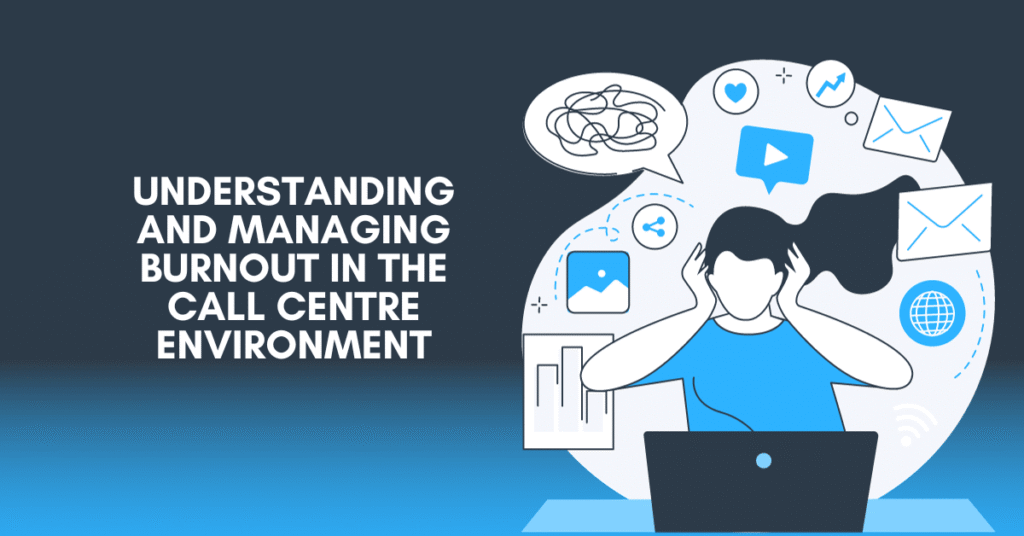
5 Effective Strategies to Manage Burnout in a Call Centre Environment

5 Effective Strategies to Manage Burnout in a Call Centre Environment

Monitoring our employees well-being is one of our top priorities, which is why we’re sharing our tips on how to effectively manage a burnout.

What is a burnout?

Burnout imageBurnout is a condition that plagues individuals across various professions characterized by physical, emotional, and mental exhaustion. It typically stems from prolonged periods of stress, excessive work, or intense pressure. Common signs of burnout include chronic tiredness, reduced motivation, increased detachment from responsibilities, difficulty with decision-making and concentration, as well as physical and emotional symptoms like headaches, digestive issues, irritability, and a sense of hopelessness.

Burnout can have significant adverse effects on a person’s overall health, job performance, and relationships. Recognising these signs and taking proactive measures to address burnout is crucial. In this blog post, we’ll delve into the specific challenges faced by call center employees and explore five effective strategies for both employees and managers to combat burnout effectively.


The Call Centre Challenge

Working in a call centre can be a rewarding experience, but it also comes with its fair share of challenges. One of the most significant challenges faced by call centre employees is burnout. Call centre employees are often on the front lines, dealing with a constant influx of customer inquiries, complaints, and problem-solving, all while striving to meet demanding performance targets. The relentless pressure to maintain high productivity levels and deliver exceptional customer service can take a toll on mental and emotional well-being.


Five Strategies to Manage Burnout in Call Centres for Employees

1. Prioritize Self-Care & Set Boundaries 🧘

Prioritize self-care by taking regular breaks, staying hydrated, and ensuring adequate rest. Incorporate exercise and stress-reduction techniques into your routine. Establish clear boundaries between work and personal life. Avoid checking work-related messages outside of your working hours

2. Seek Support 🆘

Inadequate training can lead to frustration and burnout. Ensure that your call centre agents receive thorough training that covers product knowledge, communication skills, and problem-solving techniques. Regular refresher courses can also help agents stay updated and confident in their roles, reducing the anxiety associated with handling complex customer inquiries.

3. Mindfulness 😌

Practice mindfulness techniques to manage stress and stay present in the moment. Deep breathing exercises and meditation can help you stay calm under pressure.


4. Professional Development 🌱

Explore opportunities for professional development and growth within your role. Learning new skills and taking on different responsibilities can reignite your enthusiasm for your job. 

5. Open Communication 💬 

If you’re struggling with burnout, don’t hesitate to communicate your concerns with your supervisor. They may be able to adjust your workload or offer additional support.


Five Strategies to Manage Burnout in Call Centres for Managers

1. Prioritize Self-Care 🧘

One of the first steps in preventing burnout is prioritising self-care. Encourage your employees to take regular breaks, stay hydrated, and get enough rest. Implement flexible scheduling options whenever possible to accommodate different needs and work-life balance. A well-rested and refreshed team is more likely to perform efficiently and handle stress effectively!

2. Provide Comprehensive Training 👨‍🏫

Inadequate training can lead to frustration and burnout. Ensure that your call centre agents receive thorough training that covers product knowledge, communication skills, and problem-solving techniques. Regular refresher courses can also help agents stay updated and confident in their roles, reducing the anxiety associated with handling complex customer inquiries.

3. Offer Emotional Support 💕

Working in a call centre often means dealing with frustrated or angry customers. Agents may internalise this negativity, leading to emotional exhaustion. Implement support systems such as regular team meetings, one-on-one check-ins with supervisors, or access to counselling services. Encourage open communication where employees can share their concerns and seek help when needed.

4. Set Realistic Goals 🎯

While it’s important to meet business objectives, it’s equally vital to set realistic and attainable goals. Consider revising targets based on agent feedback and data analysis. When employees feel that their goals are achievable, they are more likely to stay motivated and avoid burnout.

5. Foster a Positive Work Environment 🌞

Creating a positive work environment can make a significant difference in managing burnout. Encourage teamwork, recognize achievements, and celebrate successes. Implement a rewards and recognition program to acknowledge outstanding performance and boost employee morale. When employees feel valued and supported, they are less likely to burn out.

At Centrecom, we understand that managing burnout requires a proactive approach that focuses on employee well-being, training, emotional support, goal setting, and creating a positive workplace culture. By implementing these strategies, managers can help their teams thrive and reduce the risk of burnout, ultimately leading to higher productivity and happier employees.

Remember, a happy and motivated workforce is the key to success in any call centre operation!

If you’d like to learn more about our services or have any questions, Get in touch with us at info@centrecom.eu. Your well-being and success are our top priorities!

Tell Centrecom what your organisation needs and discover how a tailored outsourcing solution can support service quality, customer care and operational efficiency.

Mastering Soft Skills: The Key to Exceptional Customer Service

Mastering Soft Skills: The Key to Exceptional Customer Service

Soft skills are an essential to delivering an excellent customer service. Centrecom ensures that our employees are well-educated on the powers soft skills.

Technology and automation are transforming industries, yet one aspect remains timeless and irreplaceable: exceptional customer service. While technology might handle transactions and processes, it’s the human touch that truly sets businesses apart. This is where soft skills come into play, and we understand their profound importance.


The Power of Soft Skills

Soft skills are a set of interpersonal attributes that enable effective communication, collaboration, and problem-solving. They’re often intangible but play a critical role in fostering positive relationships and creating memorable customer experiences. In the context of Centrecom’s services, several soft skills stand out:

  1. Effective Communication: Clear and empathetic communication is the cornerstone of exceptional customer service. Centrecom’s professionals are adept at active listening, ensuring that they understand customer concerns before providing solutions.
  2. Empathy and Understanding: Centrecom’s staff undergoes rigorous training to develop a deep understanding of customers’ needs and emotions. This empathy helps them tailor solutions that address individual concerns.
  3. Problem-Solving Abilities: Soft skills empower Centrecom’s employees to think on their feet and find creative solutions to unique customer challenges. This adaptability ensures that customers’ problems are resolved swiftly and efficiently.
  4. Positive Attitude: A positive attitude is infectious and can turn a routine interaction into a delightful experience. Centrecom’s professionals exude positivity, making customers feel valued and appreciated.


Practicing Soft Skills

Mastering soft skills is an ongoing process that requires dedicated effort and practice. Here’s how Centrecom encourages its employees to develop and refine their skills:

  1. Training Programs: Centrecom designs training programs that focus on honing soft skills alongside technical competencies. These programs include role-playing exercises, scenario-based learning, and real-time feedback sessions.
  2. Continuous Learning: The customer service landscape evolves, and so do customer expectations. Centrecom provides regular workshops and updates to keep employees up-to-date with the latest techniques and best practices.
  3. Feedback and Coaching: Regular feedback is invaluable for growth. Centrecom emphasizes one-on-one coaching sessions to help employees understand their strengths and areas for improvement.
  4. Learning from Peers: Centrecom encourages a supportive environment where team members can learn from one another. Sharing success stories and challenges fosters a culture of learning and improvement.


Our Approach

Centrecom recognizes that its success hinges on the satisfaction of its clients’ customers. To deliver on this commitment, Centrecom has developed a holistic approach:

  1. Customized Training: Centrecom tailors its training programs to address the specific needs of each service area. For instance, agents handling airline revenue accounting receive training that blends industry expertise with exceptional communication skills.
  2. Role-Specific Skill Development: Different roles require different skills. Centrecom identifies key the skills needed for each role and provides targeted training to ensure employees excel in their respective domains.
  3. Culture of Excellence: Centrecom fosters a company-wide culture that celebrates and rewards exceptional customer service. This culture encourages employees to continuously enhance their interpersonal abilities.

Mastering soft skills blog

In the realm of outsourcing services, Centrecom stands out as a beacon of customer-centricity. While technological advancements continue to reshape industries, Centrecom’s unwavering commitment to delivering unparalleled customer service remains the same.

By prioritizing effective communication, empathy, problem-solving, and collaboration, Centrecom not only ensures customer satisfaction but also builds long-lasting relationships that drive business growth. Soft skills are the human touch that turns transactions into meaningful interactions, and we have mastered this art to create exceptional customer experiences.

Do you want to deliver an excellent service to your customers? Are you ready to outsource with Centrecom?

Get in touch with us at info@centrecom.eu for more information.

Tell Centrecom what your organisation needs and discover how a tailored outsourcing solution can support service quality, customer care and operational efficiency.

What makes us swipe right on your CV? 4 quick tips to perfecting your resumé.

What makes us swipe right on your CV? 4 quick tips to perfecting your resumé.

Applying to a new job is like a game of chance. Here’s a guide to beefing up your CV and upping your chances of getting an interview!

Applying for a new job is like a game of chance: you never know if they’re going to reply back to you or if you’ll be eligible for an interview. Basically, you send in your CV and hope for the best.


"Life is like a box of chocolates. You never know what you're gonna get."- Forrest Gump Quote


It might seem simple – just send an email and attach your resume, but it needs to be thought of more in-depth. Sure, companies want to see your skills and see if you’re compatible with the job you’ve applied for. But the way you structure your CV and what you put in it also matters.

So, if you’re currently thinking of applying with Centrecom, that’s great! But there are a few steps you need to take before sending in your CV.

Our recruiters receive multiple applications a day, but only a few of those get chosen for the next step. This means that you need to up your game when creating your CV and you need to make it stand out. 

Speaking with our Senior Recruiter, Natalie, we have compiled a list of things you should and should not be doing to make your CV more appealing, and what will ultimately make you the chosen candidate for the job! Natalie has been a recruiter for 10 years, so I’d assume she knows a thing or two about how to look appealing to the company! 

Thumbs up-down - CV blog image

1. Creativity, good grammar, and attention to detail. 

When talking about creativity, we don’t mean turning your CV into an arts and crafts project, but using a proper CV template is a big bonus.  

DO: structure your CV using an appropriate template, as well as make sure you don’t have any typos. 

DON’T: don’t type your resume on a Word document or on the notes app as that will show us that you’re not computer literate.


2. Keep it professional!

Remember, the people who you want to hire you are viewing your CV! 

DO: if you want to include a photo of yourself, make sure it’s a decent and appropriate one, we don’t want to see pictures of you from your night out! A well-lit photo with a plain background is very fitting.

DON’T: don’t include information that isn’t relevant. Being happily married with beautiful children is a wonderful thing, but really and truly, it’s not relevant. 

Speaking of photos, don’t attach the CV as a photo, instead as a PDF document.


3. Explain your previous roles

You don’t need to expose company secrets to explain what your previous role was. 

DO: include the company name, role, and an overview of your duties. 

DON’T: if you just list your job title without any background details, we won’t have a full picture of what you were doing in your other job. For example, if you list ‘Receptionist’ as one of your past jobs but don’t explain what you did, we won’t know the extent of your capabilities. Maybe, apart from greeting customers and answering the phone, you also handled invoices, scheduled meetings, placed orders, and so on. 


4. Update your CV

Whenever you get a new job or acquire a new qualification, write it down in your CV immediately. 

DO: details need to be correct. If you forgot to list that you are currently employed elsewhere and our recruiters find out once they contact you, it will look unprofessional on your end. 

DON’T: apart from updating your information, make sure the information is correct. For example, if you got a new phone number, make sure that’s updated in the CV. We want to contact the right person, not some random guy who now has your number. 


How you present your CV already says a lot about you and your character, and in this competitive job market, it’s important to make sure you have all the skills that make you a great candidate for the job written down! 

Now that you know what you need to do, the next step is applying to work with Centrecom! We can’t wait to have you onboard!

Tell Centrecom what your organisation needs and discover how a tailored outsourcing solution can support service quality, customer care and operational efficiency.

    I agree to Centrecom's Terms and Conditions and Privacy Policy.